%20(1).webp)
Learning Practical Wilderness Survival Techniques
- Steven Kelly
- Jan 26
- 3 min read

When I first ventured into the wild, I quickly realized that nature doesn’t come with a manual. The thrill of the outdoors is undeniable, but so is the need to be prepared. Learning practical survival techniques isn’t just about staying alive; it’s about thriving, feeling confident, and connecting deeply with the environment around you. Whether you’re trekking through dense forests, navigating rocky terrains, or camping under the stars, knowing how to handle unexpected situations can make all the difference.
Why Learning Survival Techniques is a Game-Changer
Have you ever wondered what you would do if you found yourself lost or stranded in the wilderness? It’s a question that many avoid, but facing it head-on is empowering. Learning survival techniques equips you with the skills to manage emergencies calmly and effectively. It’s not just about fire-starting or building shelters; it’s about understanding your surroundings, making smart decisions, and using what nature provides.
For example, knowing how to identify edible plants or how to purify water can turn a potentially dangerous situation into a manageable one. These skills build resilience and self-reliance, qualities that extend beyond the wild and into everyday life. Plus, mastering these techniques adds a layer of excitement to your outdoor adventures, transforming challenges into opportunities for growth.
How to Start Learning Survival Techniques
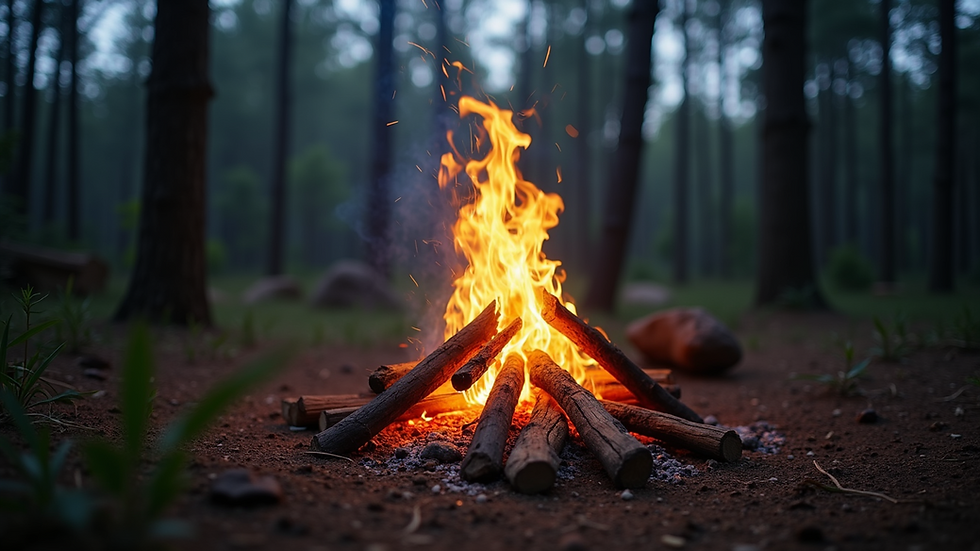
Starting your journey into survival skills might seem overwhelming, but breaking it down into manageable steps makes it accessible and fun. First, focus on the basics: shelter, water, fire, and food. These are the pillars of survival. Practice building a simple shelter using natural materials like branches and leaves. Experiment with different fire-starting methods, such as using a flint striker or friction techniques.
Next, learn how to find and purify water. This could mean collecting rainwater, using a portable filter, or boiling water over a fire. For food, familiarize yourself with local edible plants and insects, but always double-check with reliable guides to avoid poisonous varieties.
Joining a workshop or course can accelerate your learning. Hands-on experience with experts provides invaluable insights and boosts your confidence. Remember, practice is key. The more you immerse yourself in these skills, the more natural they become.
What are the 5 Most Important Survival Skills?
When it comes to survival, some skills stand out as absolutely essential. Here are the five I consider most important:
Fire Making - Fire provides warmth, a way to cook food, purify water, and signal for help. Mastering multiple fire-starting methods ensures you’re prepared in any situation.
Shelter Building - Protecting yourself from the elements is crucial. Knowing how to construct a shelter using natural materials can prevent hypothermia and keep you safe.
Water Procurement and Purification - Water is life. Identifying water sources and making sure it’s safe to drink is a survival priority.
Navigation - Understanding how to use a map and compass, or natural navigation techniques like reading the sun and stars, helps you avoid getting lost.
First Aid - Basic first aid knowledge can treat injuries and prevent infections, which is vital when medical help is far away.
Mastering these skills creates a solid foundation for any outdoor adventure. They’re not just theoretical concepts but practical tools you can rely on when the unexpected happens.
Practical Tips for Enhancing Your Survival Skills
Improving your survival skills is a continuous process. Here are some actionable tips that have helped me along the way:
Practice Regularly: Set aside time to practice skills like fire-starting or shelter-building in different environments and weather conditions.
Carry a Survival Kit: Equip yourself with essentials like a knife, fire starter, water filter, and first aid supplies. Familiarize yourself with each item’s use.
Learn from Nature: Observe animal behavior and natural signs. For instance, birds often indicate nearby water sources.
Stay Calm and Think Clearly: Panic is the enemy of survival. Develop mental strategies to stay calm, such as deep breathing or positive self-talk.
Document Your Experiences: Keep a journal of your outdoor trips, noting what worked and what didn’t. This reflection sharpens your skills over time.
By integrating these tips into your routine, you’ll find yourself becoming more adept and confident in the wild.

Embracing the Spirit of Self-Reliance
At its core, learning survival techniques is about embracing self-reliance and respect for nature. It’s a journey that transforms how you see the world and yourself. When you know you can handle whatever the wilderness throws at you, your adventures become richer and more fulfilling.
South West Survival is dedicated to reviving these essential skills, offering expert bushcraft training that empowers you to navigate and thrive outdoors. Their approach blends traditional knowledge with modern techniques, ensuring you’re well-prepared for any challenge.
So, why wait? Dive into the world of wilderness survival techniques and unlock a new level of confidence and connection with the great outdoors. Your next adventure awaits, and with the right skills, you’ll be ready to meet it head-on.


Comments