

Planning a Summer 2027 School Residential: A Term-by-Term Timeline for Teachers

If your school wants a residential in the summer term of 2027, the autumn term is the right time to start planning it. Most of the work is not the trip itself. It is agreeing aims, approvals, dates, parent communication and kit, and each of those takes longer than you expect when it sits alongside a full teaching timetable.
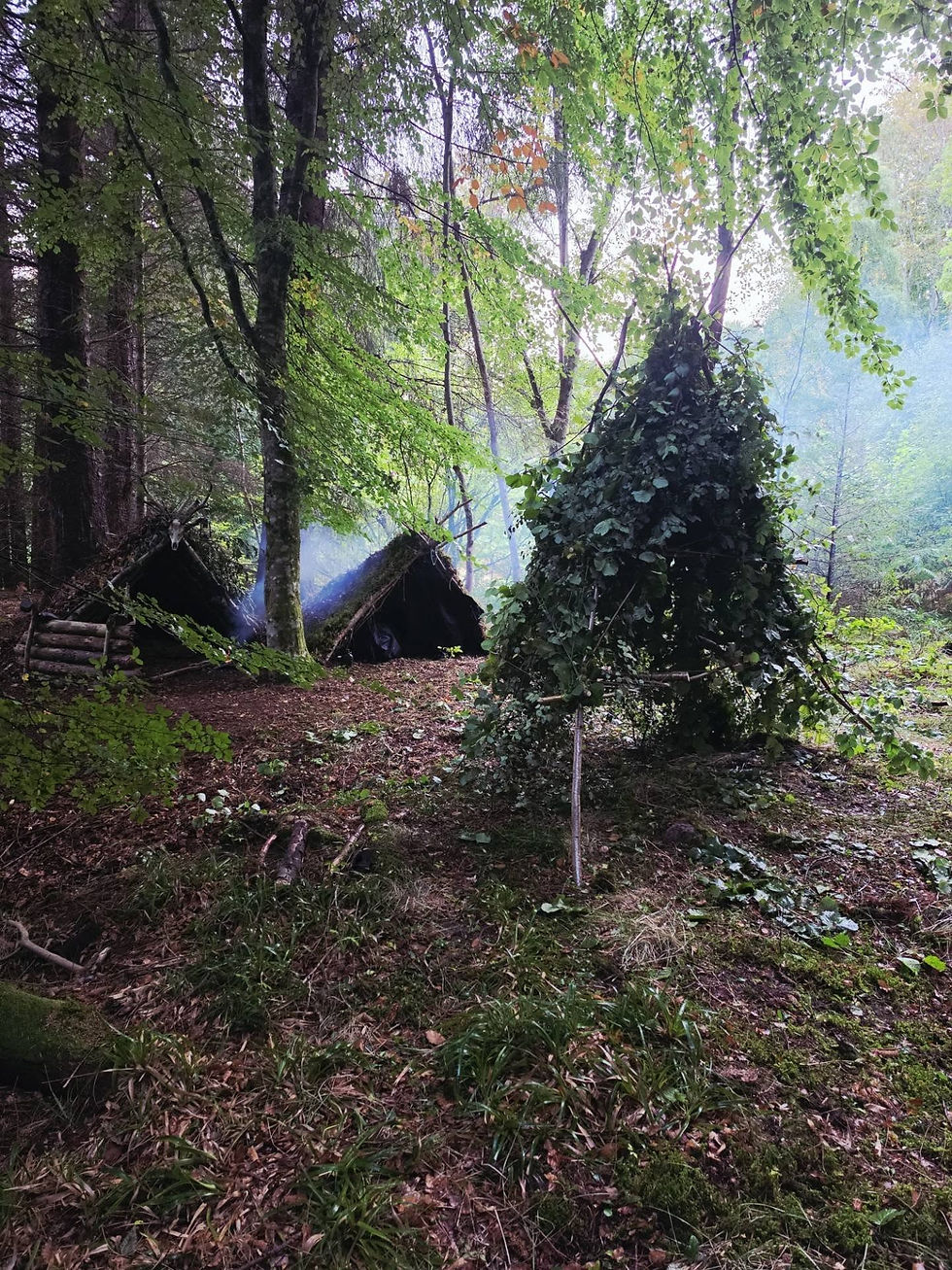
This term-by-term timeline is based on how we plan school residentials in Devon and Cornwall at South West Survival, where pupils and staff sleep in bell tents, help cook meals over the campfire and spend their days learning practical bushcraft. Use it as a checklist and adapt it to your own school's educational visits policy.
Autumn term: decide what the residential is for
Before you look at dates or prices, agree what you want pupils to get out of the trip. A residential built around independence and teamwork looks different from one built around outdoor skills or transition to secondary school. Being clear now makes every later decision easier.
Choose the year group and a realistic number of pupils and staff.
Agree two or three aims, such as independence, teamwork or confidence outdoors.
Pick a preferred window of dates in the summer term, plus a back-up.
Note any additional needs you already know about, in outline only.
Check your school's educational visits policy and who needs to approve the trip.
This is also the point to make an enquiry. The summer term is the most popular time for school residentials, so an early conversation gives you the widest choice of dates. On our enquiry form we ask for year groups, pupil and staff numbers, preferred dates, location and a brief summary of any needs. You do not need every detail yet.
Spring term, first half: confirm dates and approvals
Once you have talked through dates, location and activities with your provider, confirm the package in writing. With us, deposit terms vary by booking and are confirmed with the school before the booking is accepted, so you know where you stand before anything is committed.
Confirm dates, numbers, location and the activity programme.
Get approval through your school's process, such as your Educational Visits Coordinator, head teacher or governors.
Agree the cost to families and how payments will be collected.
Draft the first letter to parents with dates, cost and what the trip involves.
The Department for Education's guidance on health and safety on educational visits is a useful reference for this stage, alongside your own policy.
Spring term, second half: bring parents and pupils with you
For many pupils, a night in a bell tent in a Devon or Cornwall woodland will be their first time camping. Parents will have questions, and a short information session answers most of them in one go.
What parents usually want to know
Where pupils will sleep and who supervises them overnight.
What they will eat and how dietary needs are handled.
What activities are planned and how risk is managed.
What their child needs to pack.
The exact site, sleeping arrangements, meals and supervision plan are agreed with each school during planning, so you can answer these questions accurately rather than in general terms. Detailed health and medical information is collected separately through a health form after booking, not through the enquiry.
This is also when we agree a full kit list with you. The basics are always warm layers, waterproofs and sturdy footwear, because the weather in the South West can change quickly even in June.
Summer term: final checks and getting pupils ready
In the last few weeks, the job is confirming details and helping pupils feel ready rather than anxious.
Confirm final numbers, staffing and any changes to needs.
Share the kit list again and remind families a week before.
Talk in class about what camp life involves, including fire safety and working as a team.
Agree how the group will travel and when pupils will be collected.

After the residential: make the learning last
The value of a residential does not end when the coach gets back to school. Give pupils time to reflect on what they found hard, what they are proud of and what they would do differently. Many schools pair a summer residential with regular Forest School sessions through the year, so the outdoor skills and confidence pupils build are revisited rather than forgotten. If you are weighing that up, our guide to choosing a Forest School programme explains the options.
Start planning your 2027 residential
If you want to know what a South West Survival residential includes, from bell tents to campfire cooking and activities such as shelter building, fire lighting and natural navigation, read our guide to school residential trips in Devon and Cornwall or visit our school residentials page.
When you are ready, send us your year group, rough numbers and preferred dates through our school enquiry form and we will come back to you to talk it through.
About the author
Steven Kelly is the founder of South West Survival, a former 29 Commando Regiment soldier with 23 years' service and a British TV survivalist who has appeared on Naked and Afraid. He holds the AIM Qualifications Level 3 Certificate for Forest School Leaders. Read more at stevenkelly.uk.

Comments