

What Makes a Great Outdoor Learning Day for Schools? A Plymouth Planning Guide

A great outdoor learning day for schools starts with one clear aim, not a long list of activities. If you are planning school outdoor activities in Plymouth, Devon or Cornwall, the days pupils remember are the ones where every part of the day, from the first briefing to the walk back to class, points at something staff actually want pupils to take away.
I served 23 years in the British Army with 29 Commando Regiment Royal Artillery and now run outdoor sessions for schools through South West Survival. The difference between a good day and a forgettable one is almost always decided in the planning, weeks before anyone pulls on a pair of wellies. Here is what we look for when a school asks us to help plan one.
Start with one clear aim
Ask what you want pupils to be able to say or do at the end of the day. Having fun in the woods is a welcome by-product, but it will not help you plan. Better aims are specific:
A class learning to work together on a shared task after a difficult term
Pupils seeing seasonal change first hand to support a science topic
A transition group building confidence before moving schools
A reward day that still has real skills in it, such as fire safety and tool use
Pick one and tell your provider. A good provider will shape the activities around your aim rather than running the same day for every school.
Choose the right setting: school grounds or woodland
An outdoor learning day can run in two kinds of place, and each has its strengths.
Your own school grounds or a nearby green space. No coach to book, no time lost travelling, and pupils see a familiar place in a new way.
A woodland site. For many pupils this is the first full day they have spent among trees, and the change of setting does a lot of the work for you.
At South West Survival we run Forest School sessions in either setting. If your grounds have even a small wooded corner, it is worth asking whether it could work before you budget for transport.
Shape the day around doing, not listening
The quickest way to lose a class outdoors is to talk at them. A well-structured day keeps explanations short and gets hands busy. A typical session with us follows a simple shape.
Welcome, boundaries and safety briefing
Pupils learn where they can go, how to behave around fire and tools, and what the day holds. Kept short and practical, this sets the tone for everything that follows.
Learner-led activities and taught skills
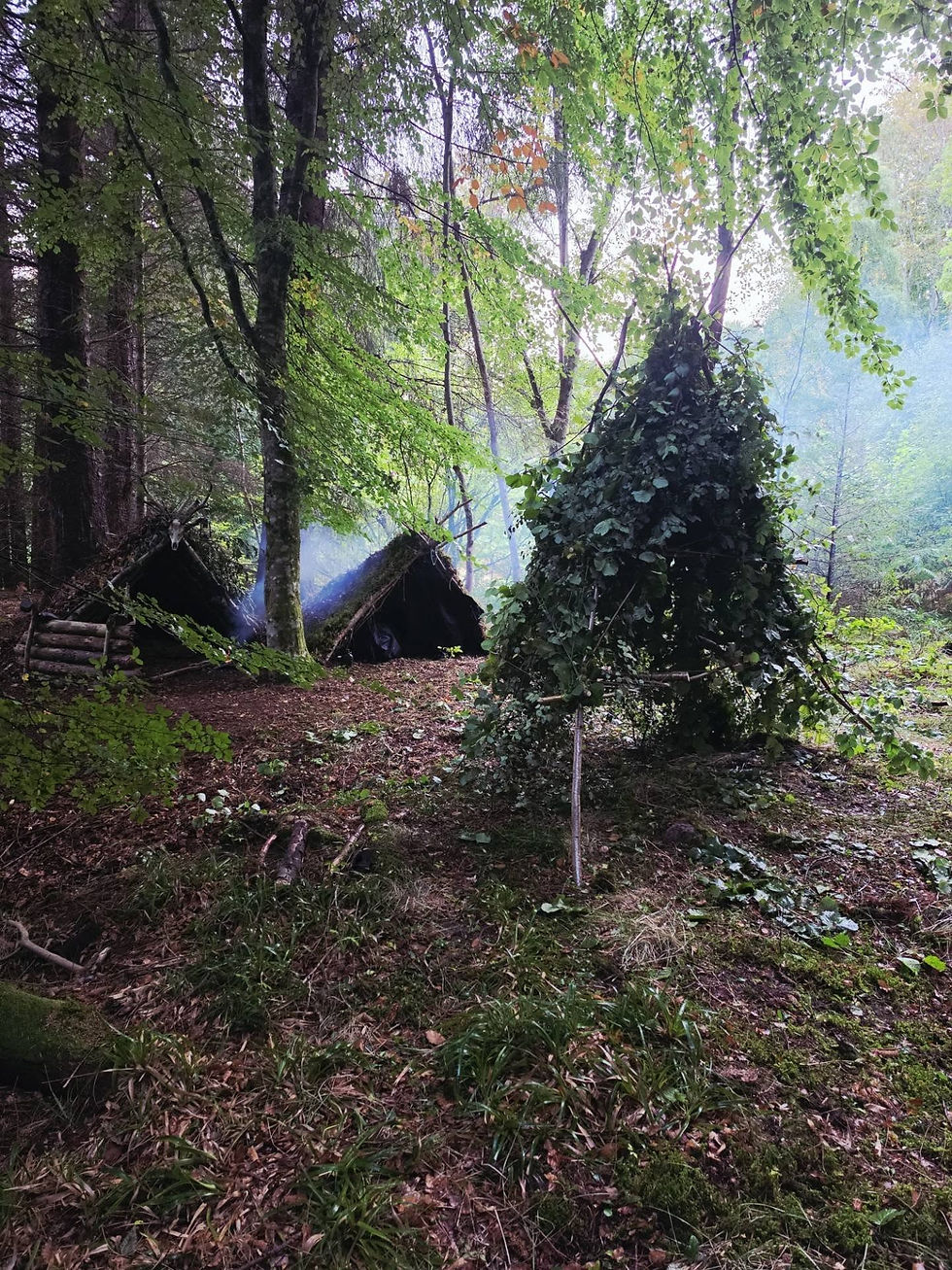
This is the heart of the day: shelter building, den making, nature crafts, games and exploration, with skills such as safe tool use and fire safety taught step by step at the right level for the group. Pupils should be making choices and solving problems, not queuing for a turn.
A campfire snack and a reflection circle
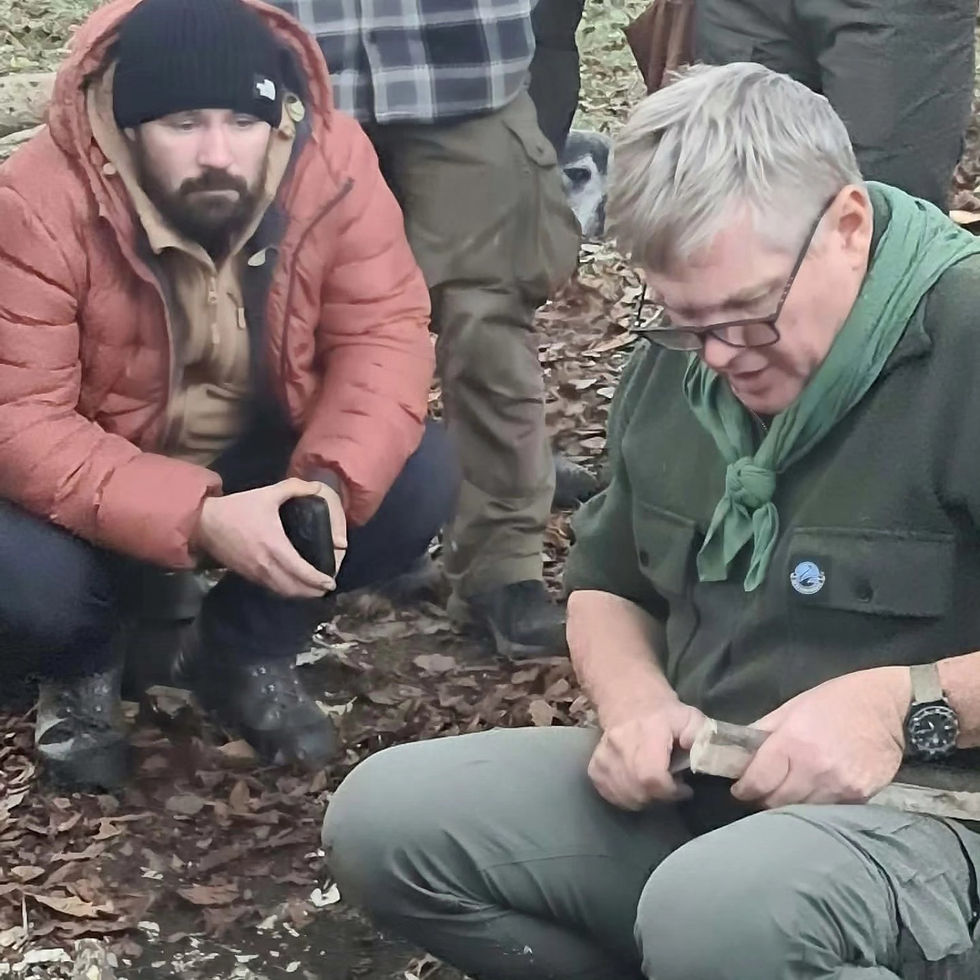
Where the site allows, a campfire snack or hot drink gives everyone a natural pause. The day then closes with a reflection circle: what pupils tried, what they found hard and what they want to do next. Do not skip this part. It is where the learning gets put into words.
Get the kit right before the day
Cold, wet pupils do not learn much. Most problems on outdoor days come down to clothing, so get the message to parents early.
Warm layers rather than one thick coat
A waterproof jacket and trousers
Sturdy boots or wellies
A spare change of clothes
We send a full kit list once dates are confirmed, but those basics are a sensible starting point in any season.
Have the safety conversation early
Outdoor learning involves real, managed risk, and that is part of its value. Schools in England have their own obligations, and the Department for Education's guidance on health and safety on educational visits is a useful starting point for staff and your educational visits coordinator.
Raise your questions at the enquiry stage, not the week before. Ask South West Survival about our safeguarding arrangements, DBS checks and insurance before you book, and include a brief summary of any additional needs so activities can be adapted for your group.
Make it count back in the classroom
The day should not end at the school gate. A little follow-up turns an outing into learning, and outdoor days link naturally to several subjects:
Science: seasonal change, habitats and materials
Geography: maps, direction and describing a place
PSHE: teamwork, resilience and wellbeing
PE: outdoor and adventurous activities
Photos from the day, a short piece of writing, or a class discussion about why the first shelter fell down all help pupils hold on to what they did.
One day or something longer?
A single day works well as a taster, an enrichment day or a reward. On its own it will not deliver what regular sessions build over several weeks. If you want to compare the options, read our guide to choosing between Forest School activity days, six-week blocks and longer programmes.
If you want pupils to stay overnight, a woodland residential with bell tents and campfire cooking is a separate service. Find out more about our school residentials in Devon and Cornwall.
Plan your school's outdoor learning day
If you are planning school outdoor activities in Plymouth or anywhere in Devon and Cornwall, tell us your year group, rough pupil numbers, preferred dates and what you want the day to achieve. Formats and prices are on our Forest School page for schools.
When you are ready, send your details through our school enquiry form and we will come back to you to talk through dates, location and activities.
About the author
Steven Kelly is the founder of South West Survival in Plymouth. He served 23 years in the British Army with 29 Commando Regiment Royal Artillery, holds the AIM Qualifications Level 3 Certificate for Forest School Leaders and an NCFE Level 4 bushcraft qualification, and has appeared on Naked and Afraid and Bear Grylls: Wild Reckoning. Read more about Steven at stevenkelly.uk.


Comments